
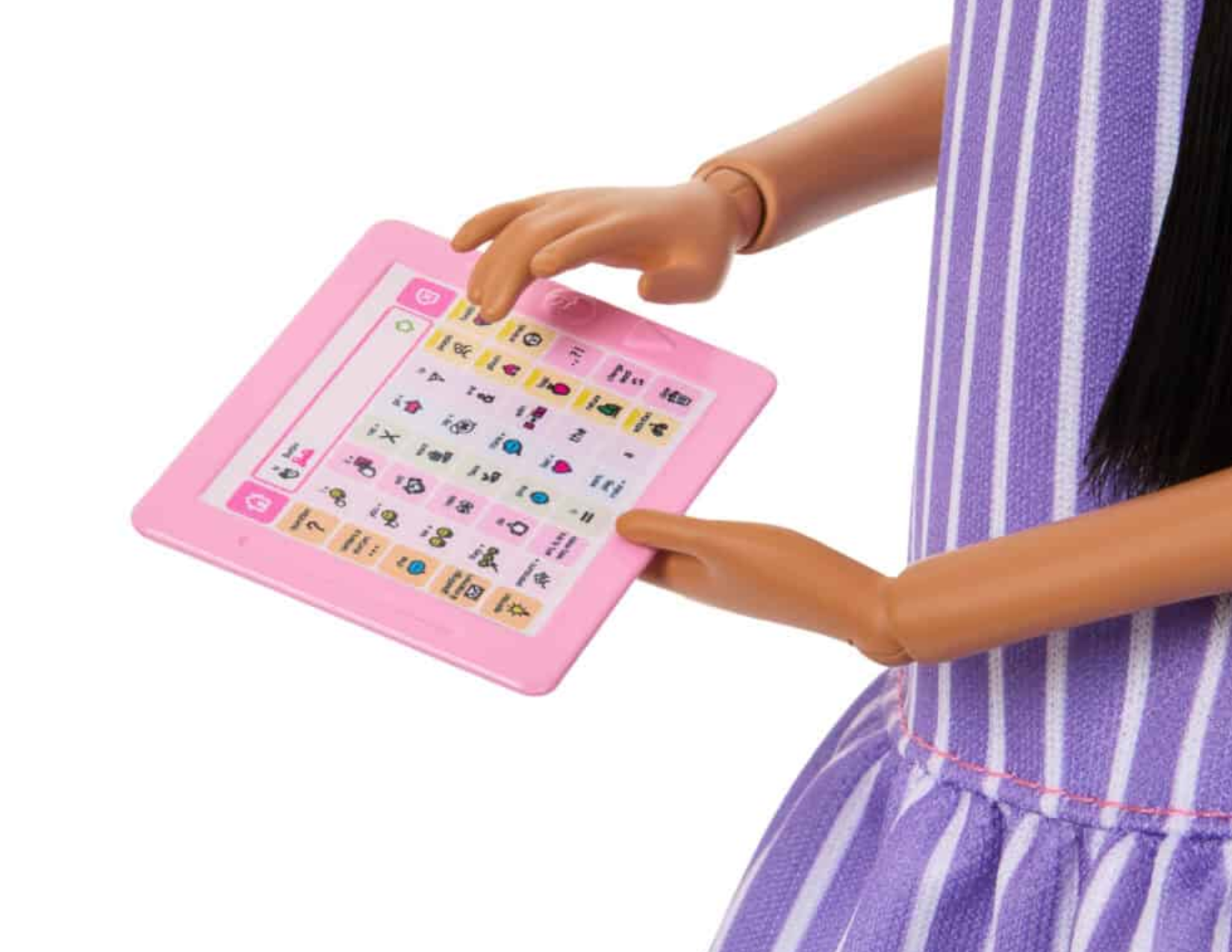
When Mattel released its first Barbie with an AAC device, it wasn’t just a win for representation—it was a cultural shift. For decades, communication devices were invisible in mainstream toys, despite AAC being a daily reality for millions of children and adults worldwide. Including an AAC device on one of the most recognizable toys in history sends a powerful message: communication differences are normal, valid, and worthy of visibility.
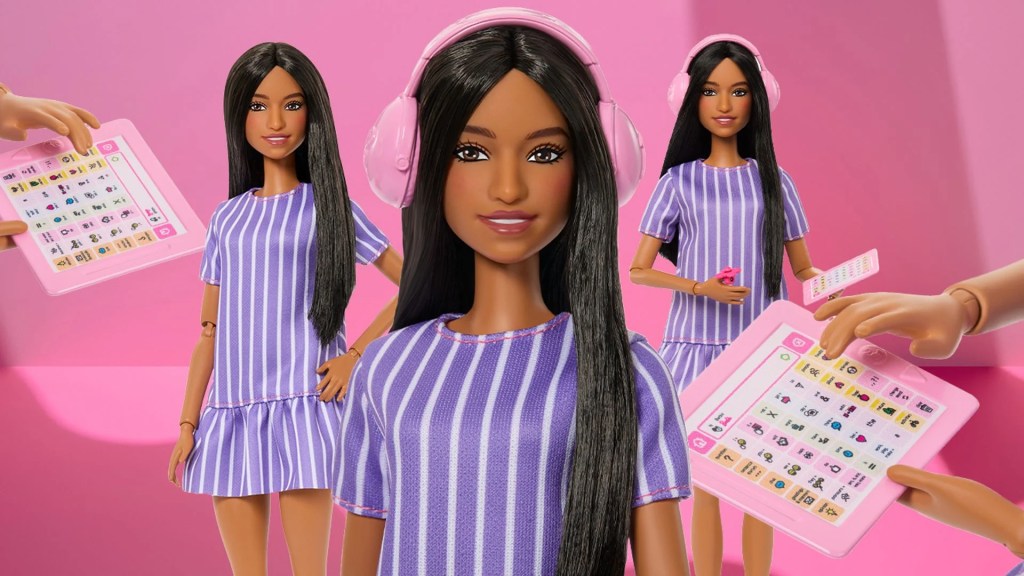
This moment also helps normalize AAC use for children who rely on it. When kids see characters that look like them using communication tools, it reinforces confidence and reduces stigma. It encourages peers to ask questions, learn, and engage—key elements in building inclusive classrooms and communities.
As AAC technology continues to evolve, representation like this reminds us that communication isn’t about fitting a mold—it’s about access. Devices like EyeTech’s eye-gaze solutions exist to ensure every individual, regardless of physical or cognitive ability, has a voice that’s heard.