-
Brain-Computer Interfaces Are Making Headlines. What Does It Mean for AAC Users Today?
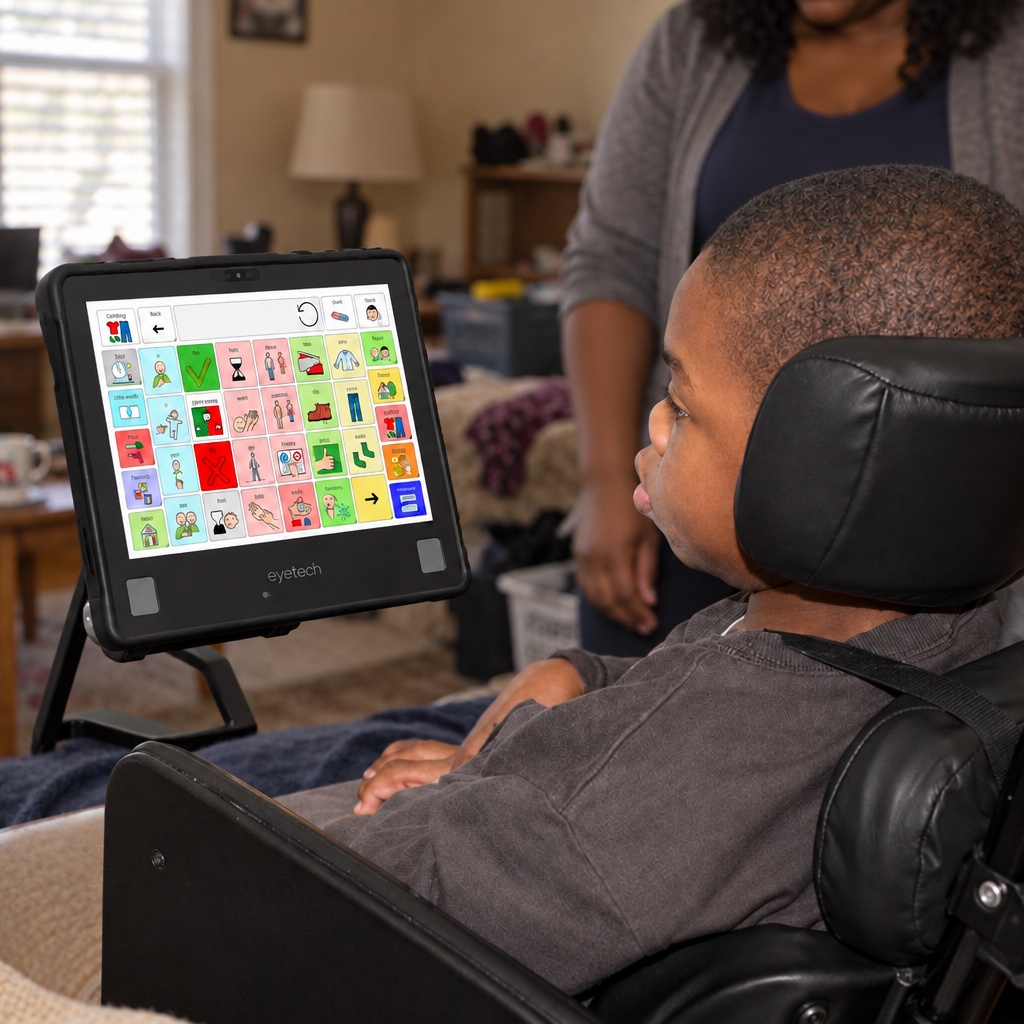
If you follow ALS or disability news, you’ve probably seen headlines about brain-computer interfaces, or BCIs — technology that reads signals from the brain and turns them into text, speech, or computer control. Two major studies this year have pushed the field forward, and many families are asking the same question: what does this mean…
-

Meet EyeOn Go: Communication That Keeps Up With Your Day
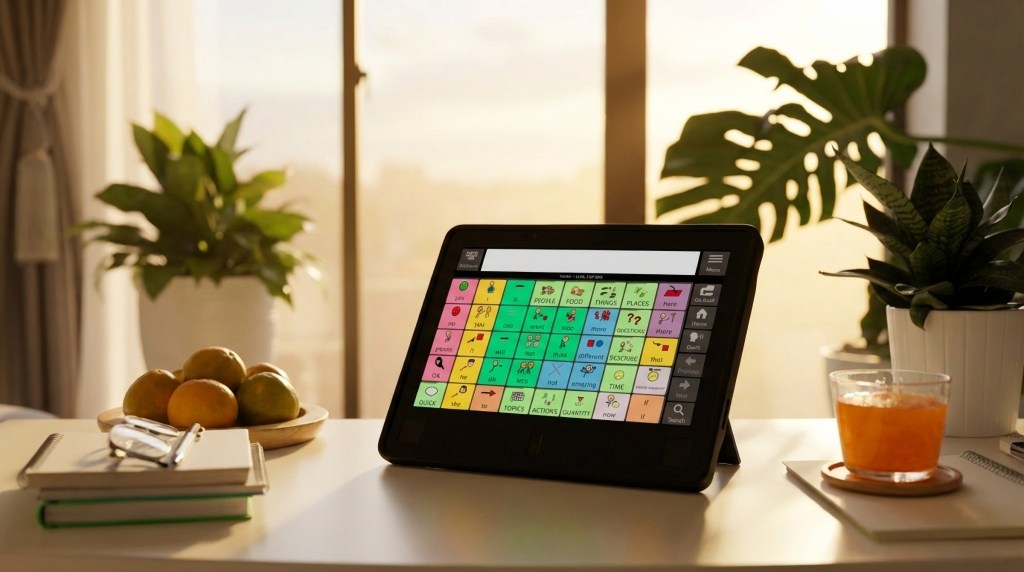
Communication doesn’t stop when you leave the house. It happens at the grocery store, in the car, at a grandparent’s kitchen table, and at the doctor’s office. That’s why we built EyeOn Go for Communication — a purpose-built AAC tablet designed to go wherever the day leads. Ready to Talk, Right Out of the Box…
-
Ten Years of Speechless: How J.J. DiMeo Changed the Way TV Talks About AAC
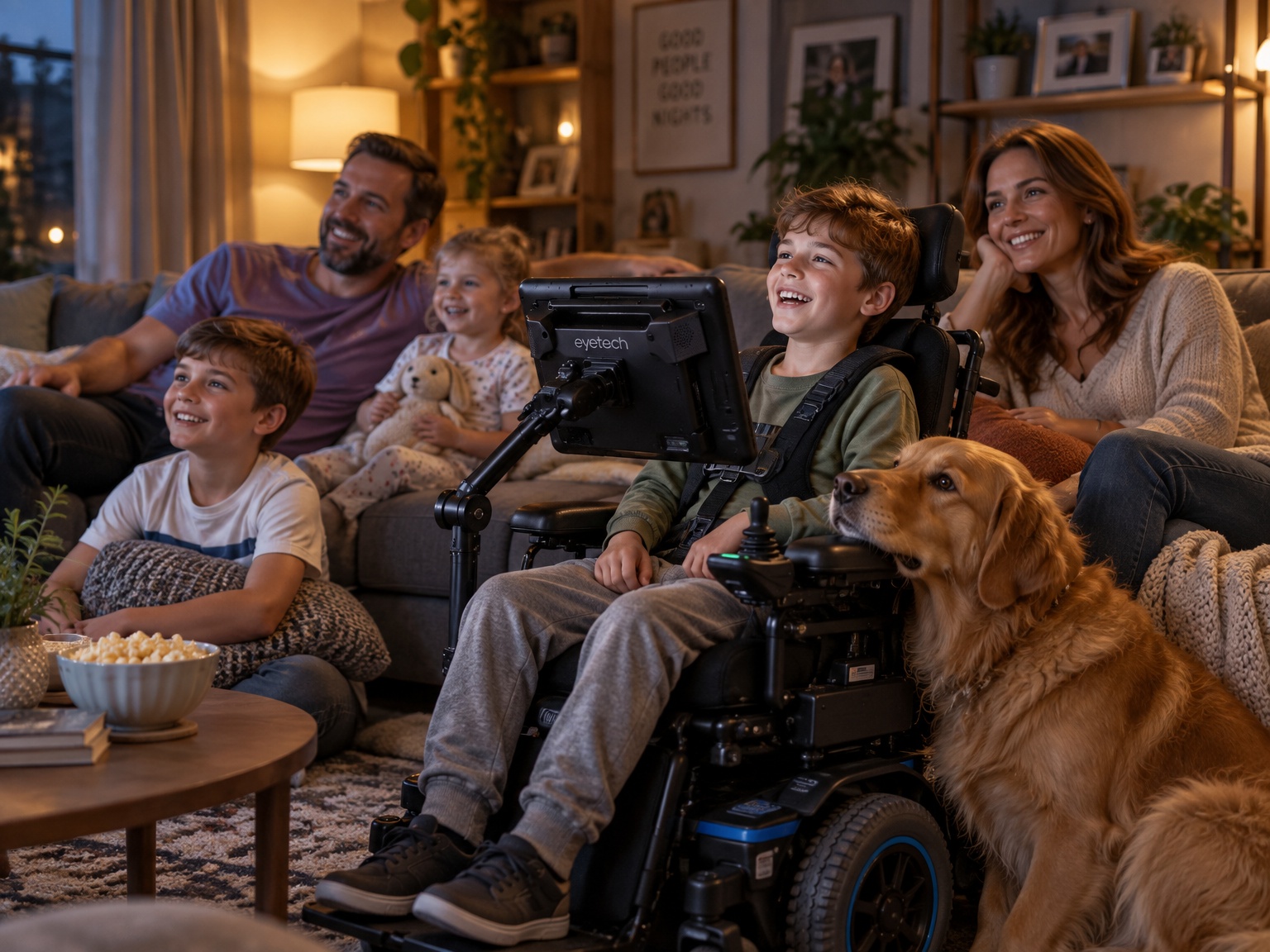
On September 21, 2016, ABC premiered a family sitcom that did something network television had almost never done: it built an entire show around a nonspeaking teenager — and made him the funniest, sharpest person in the room. Ten years later, Speechless still comes up in conversations with AAC families, speech-language pathologists, and educators. For…
-

Model It, Don’t Test It: A Beginner’s Guide to Aided Language Modeling
Children learn to speak by hearing thousands of hours of spoken language before they ever say a word. Nobody expects a toddler to talk after hearing a word once — and nobody quizzes a baby on vocabulary. AAC works the same way. If someone is learning to communicate with a device, they need to see…
-

Fall Conference Season: Where to Try EyeOn Air This Autumn
Fall is one of the busiest seasons for AAC and assistive technology conferences. EyeTech will not be exhibiting directly this season, but several of our valued vendor partners, including RM Speech, will be on-site at events across the country and ready to demo EyeOn Air in person. Why In-Person Demos Matter Conferences remain one of…
-
Why Nonverbal Characters on Screen Are Finally Getting It Right
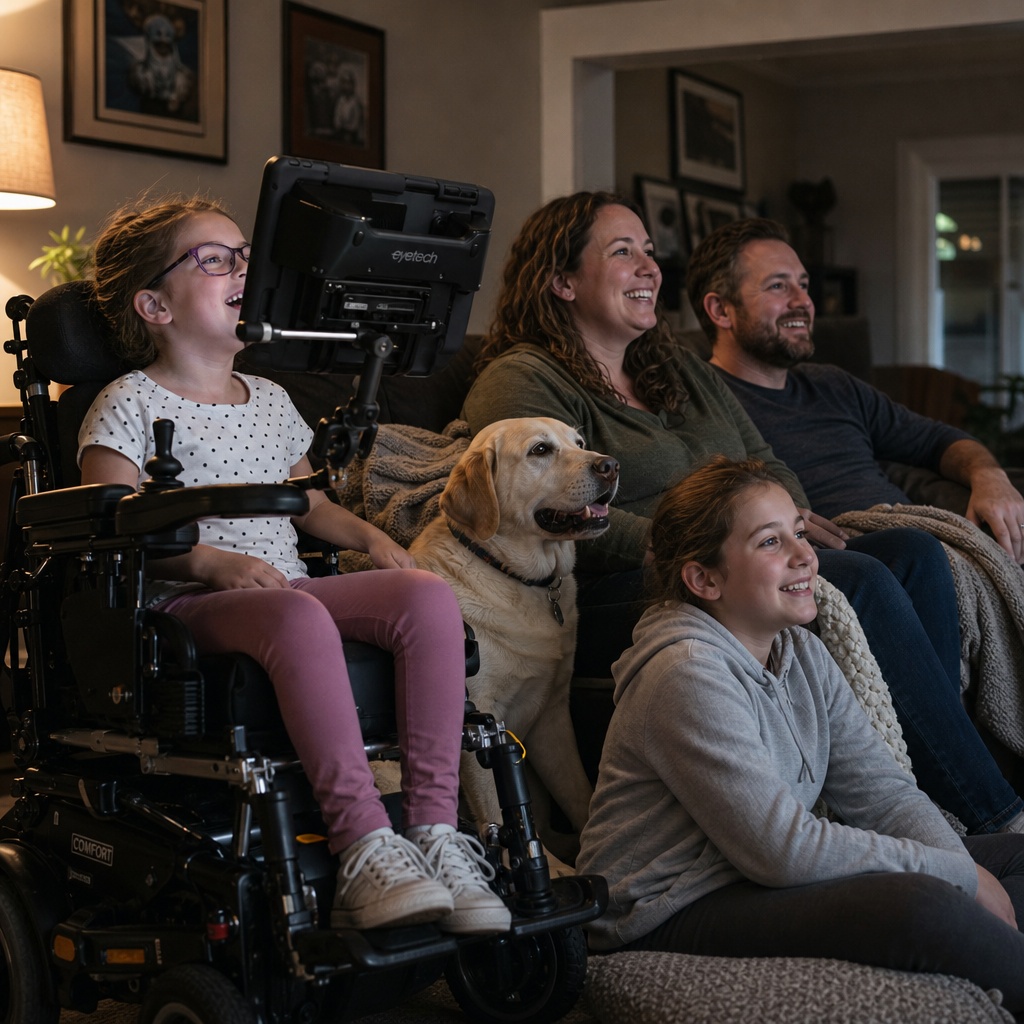
For decades, nonverbal and AAC-using characters on screen were rare, and when they did appear, they were often reduced to a single plot device: the character to be pitied, fixed, or spoken for. That is finally starting to change. A Long History of Getting It Wrong Older portrayals often treated communication differences as tragedy, mystery,…
-

EyeOn Air’s Onboarding Experience: What Happens After You Order
Ordering an AAC device is only the beginning. What happens in the days and weeks after delivery often determines how confident a family feels using it — which is why EyeTech treats onboarding as its own dedicated process, not an afterthought. Day One: What Arrives and What’s Next Every EyeOn Air ships with a setup…
-
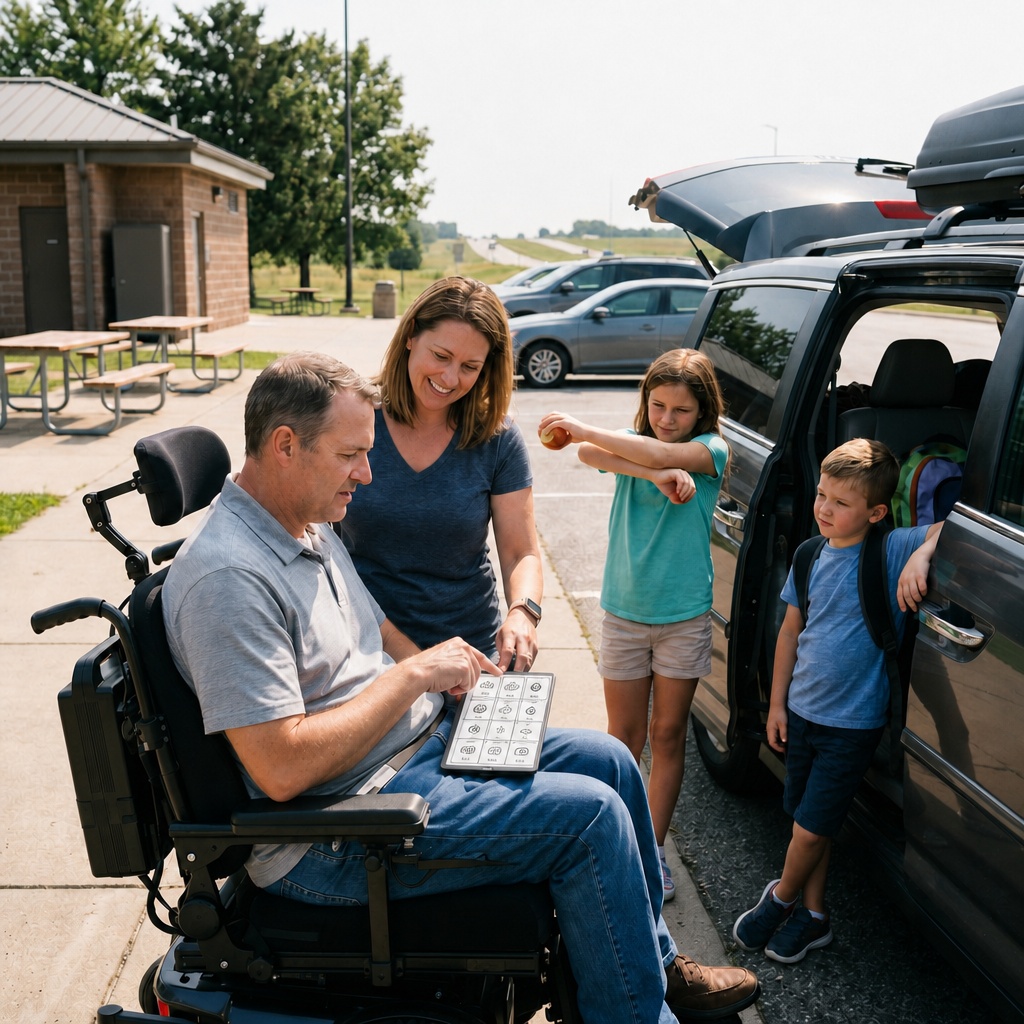
AAC on the Go: Backup Communication Systems for When Technology Fails
Even the most reliable device can run into a dead battery, a software hiccup, or a forgotten charger. A backup communication plan is not pessimism — it is good practice, the same way anyone keeps a spare key or a first aid kit. Why Every AAC User Needs a Plan B Communication cannot pause for…
-
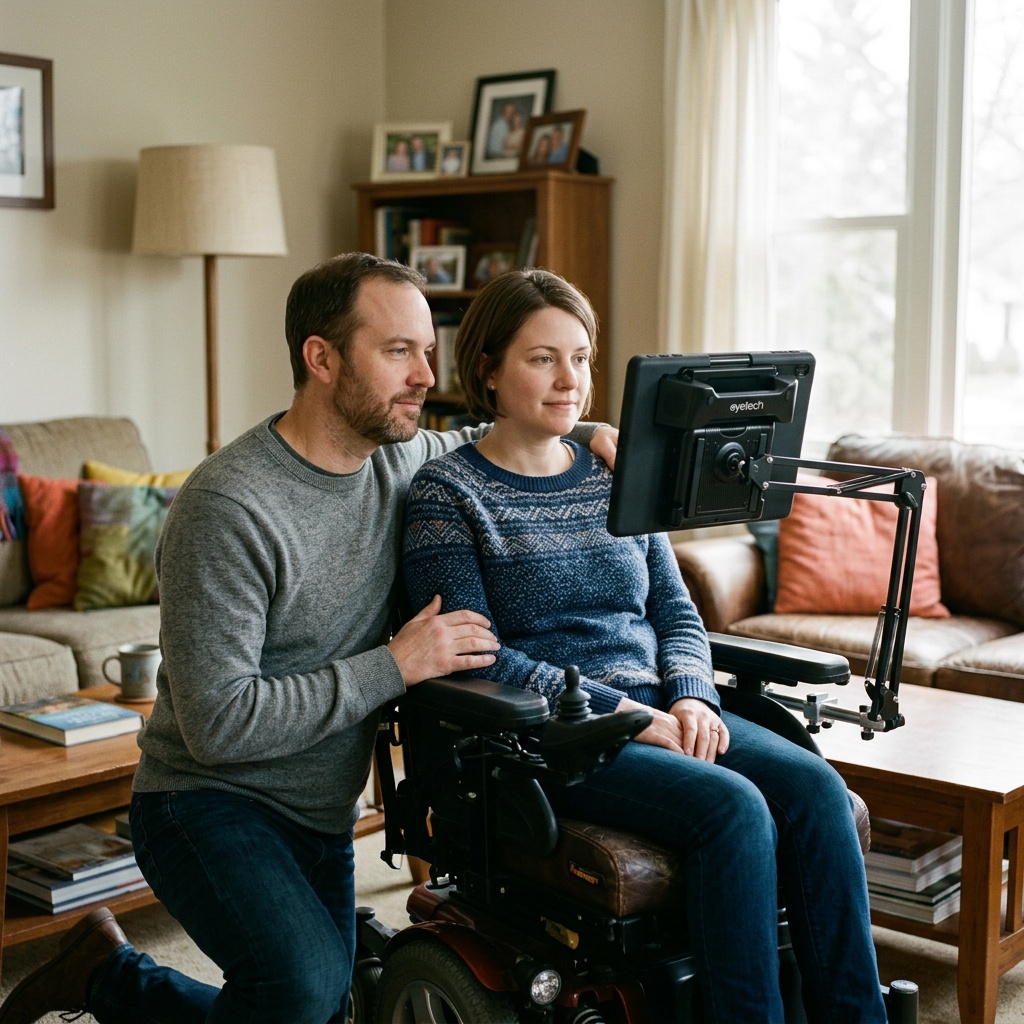
A Guide to Free State Assistive Technology Resources Near You
Cost is one of the biggest barriers families face when exploring AAC — but many do not realize how much free support exists at the state level before insurance or purchase ever enters the conversation. What These Programs Offer Beyond device loans, most state assistive technology programs provide short-term equipment loans, funding guidance, and sometimes…
-
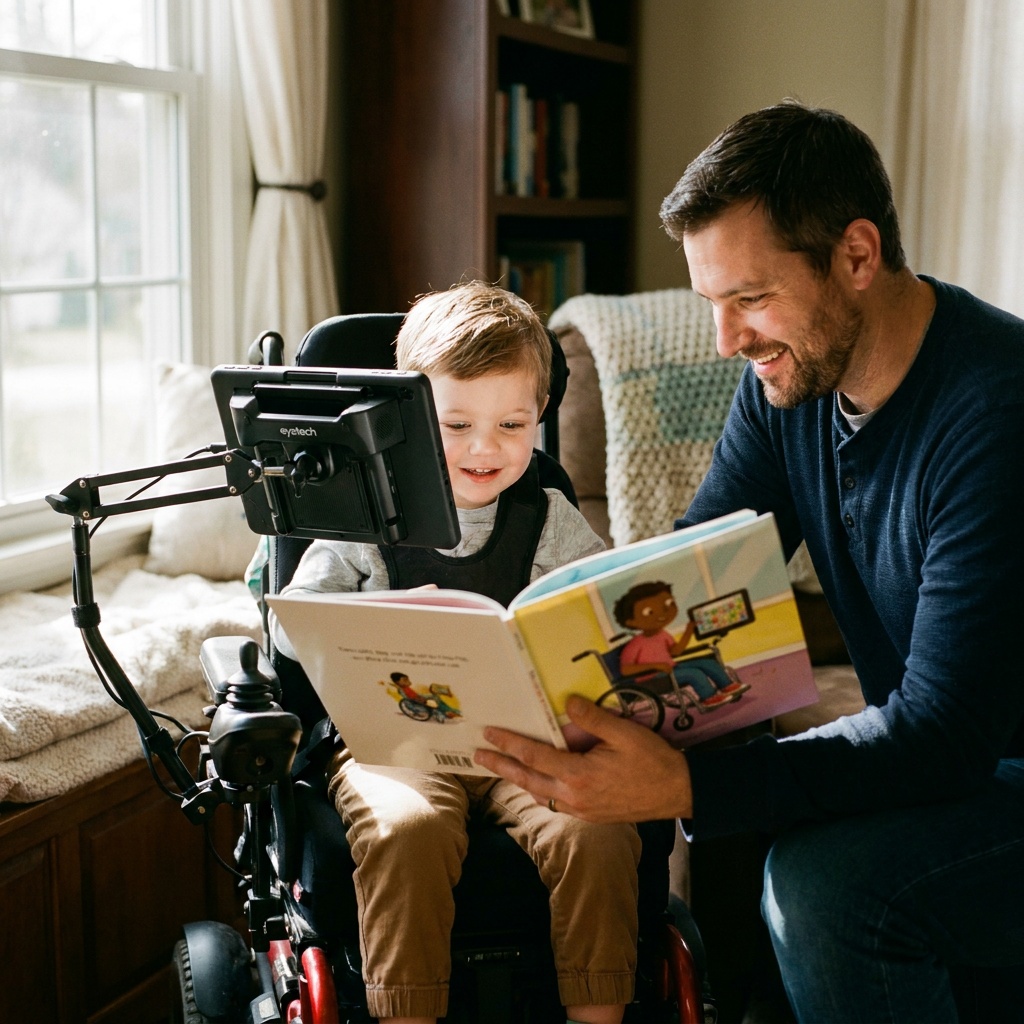
AAC Representation in Children’s Books: Why Seeing Yourself Matters
Screens get most of the attention when we talk about disability representation, but picture books shape how young children understand the world just as powerfully — and AAC is slowly, finally, starting to show up on the shelf. A Small but Growing Shelf For years, books featuring AAC users were rare and often clinical in…