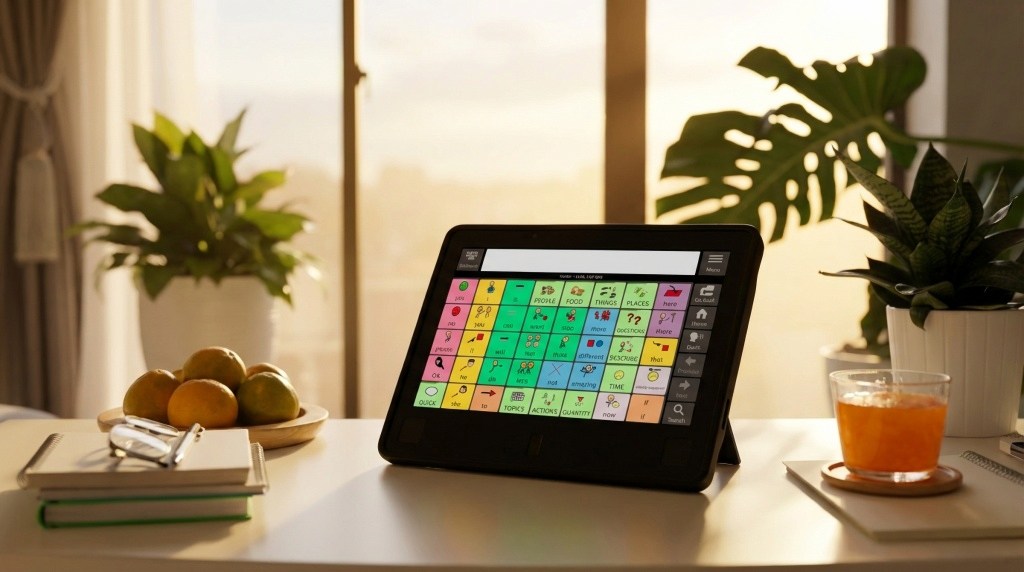
-
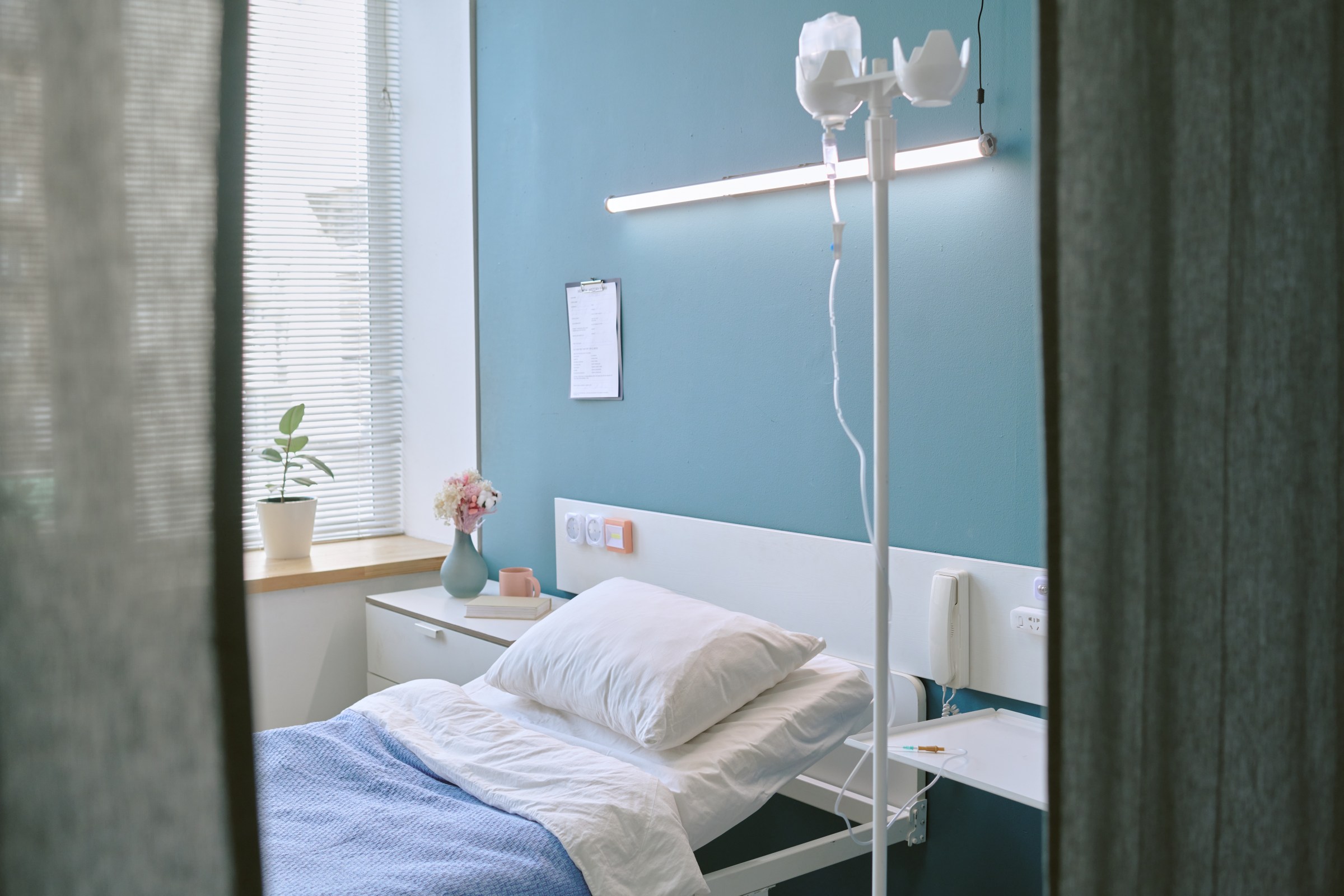
EyeOn Air LifeLine: Communication When Every Second Counts
In an acute care setting, the ability to communicate can be the difference between a patient whose needs are understood and one who is left guessing whether anyone knows they are in pain. EyeOn Air LifeLine was built specifically for that environment, where speed, simplicity, and reliability are not conveniences — they are necessities. Built…
-
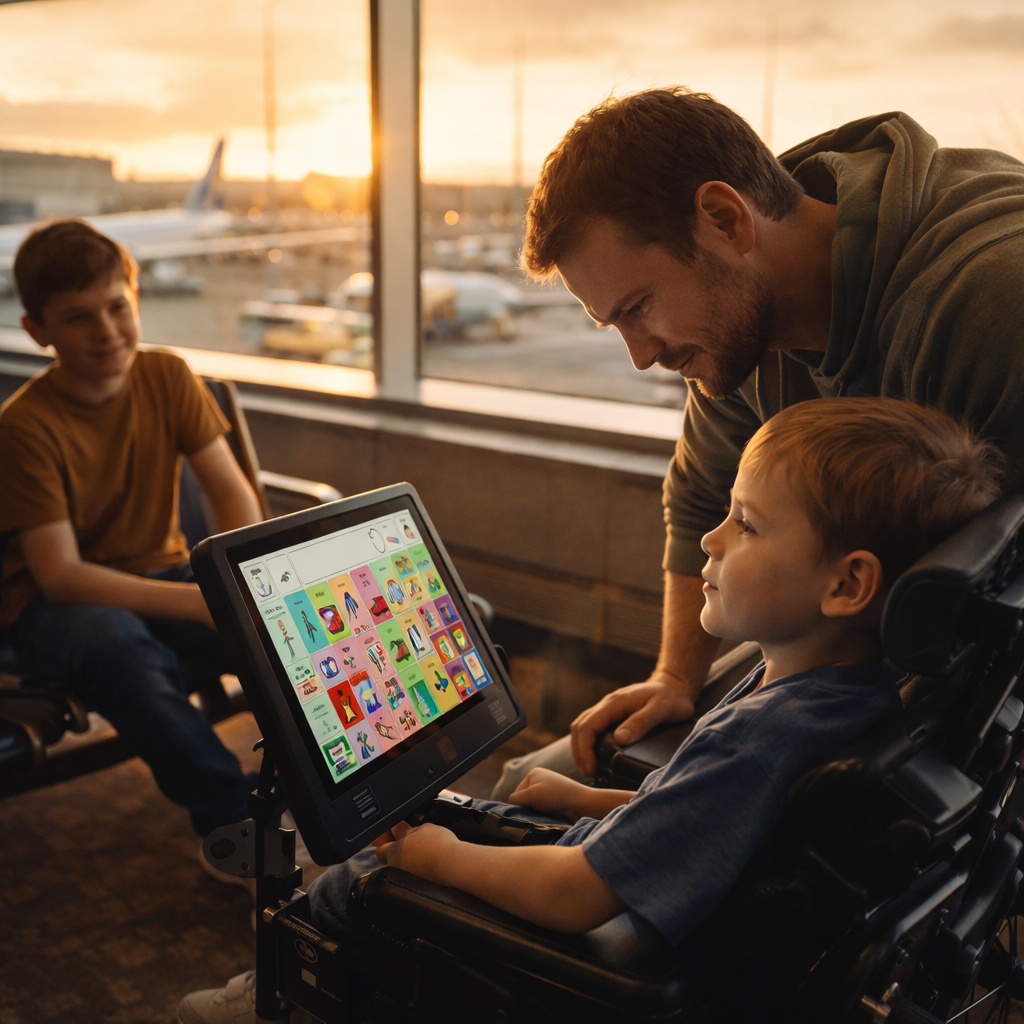
Traveling with an AAC Device: A Packing and Prep Checklist
Summer means road trips, flights, and time away from the routines that make daily communication predictable. Traveling with an AAC device takes a little more planning than tossing it in a bag, but with the right prep, it does not have to slow anyone down. Here is what to pack, confirm, and double-check before you…
-

What Would Ed the Minion’s AAC Board Look Like?
If you’ve seen Minions & Monsters, you already know Ed. He’s chaotic, expressive, and communicates using American Sign Language while the rest of the Minions babble away in Minionese. It’s a small creative choice that carries a lot of weight. In a franchise watched by millions of kids and families around the world, seeing a…
-
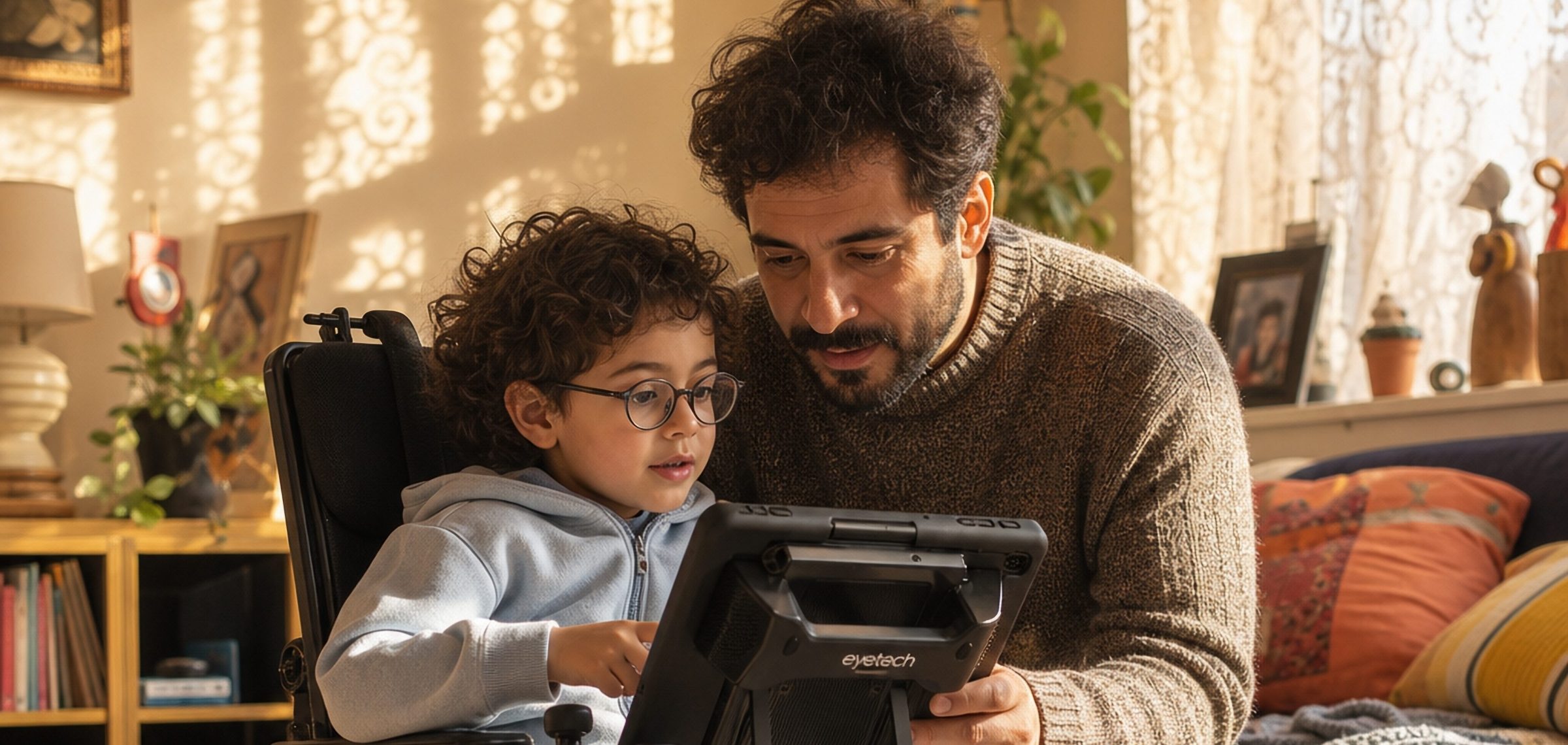
Eye Gaze Calibration: Troubleshooting the 7 Most Common Issues
Eye gaze is one of the most powerful access methods in AAC — but it is also one of the most sensitive to setup variables. Lighting, positioning, eye fatigue, glasses, and even the time of day can all affect accuracy. The good news: most calibration issues have clear causes and straightforward fixes. Here are the…
-
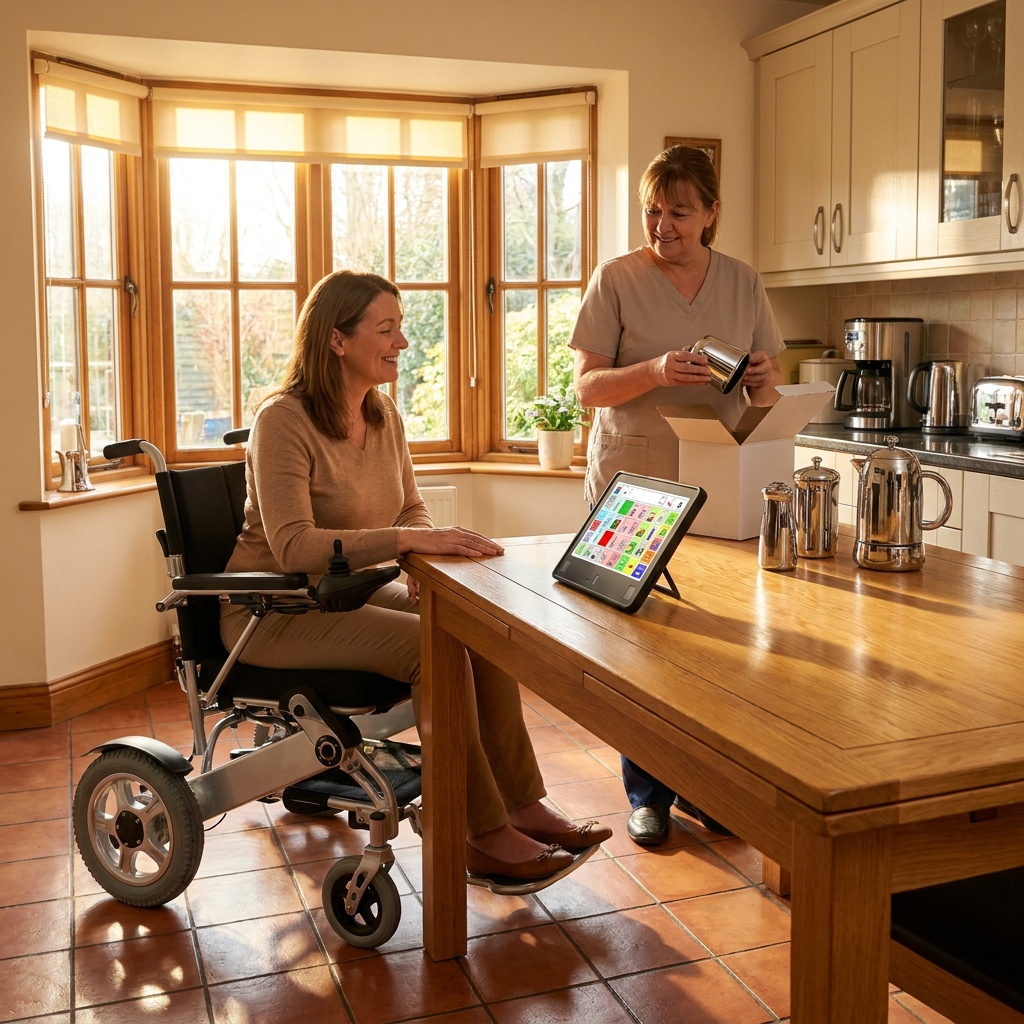
Insurance Coverage for AAC Devices: What Changed in 2025
Getting an AAC device covered by insurance has historically been one of the most frustrating parts of the process. Complex documentation, inconsistent criteria, long wait times, and unexplained denials. In 2025, several developments have shifted the landscape — not enough to make the process easy, but enough to make success more likely if you know…
-

Independence Day and Real Independence: AAC Users on Living Life on Their Terms
Every Fourth of July, the word ‘independence’ gets a workout. Fireworks, flags, speeches about freedom. But for millions of people in the disability community — and for the families, caregivers, and clinicians who support them — independence is not an abstract ideal. It is a daily, concrete, hard-won practice. And for AAC users, it often…
-
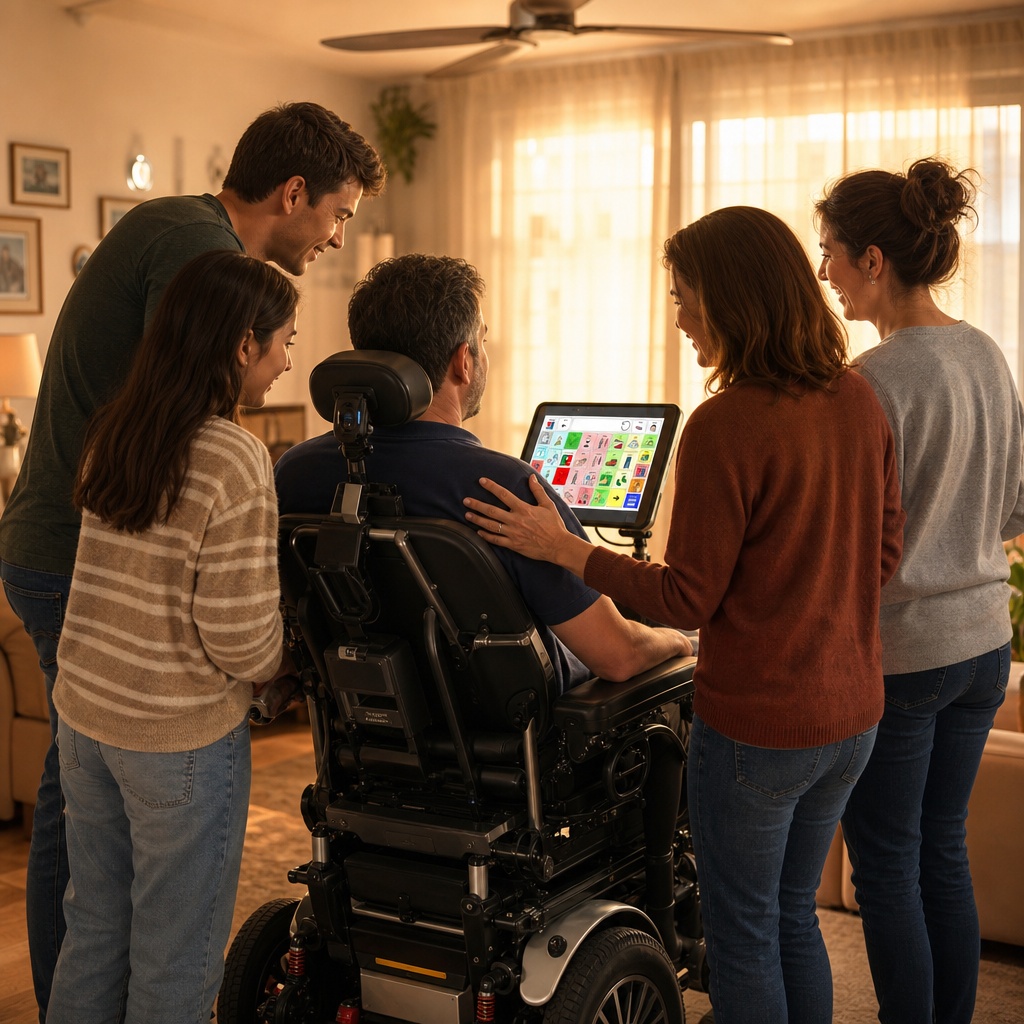
AAC and ALS: A Communication Guide for Families
An ALS diagnosis changes everything — including how communication happens and who is responsible for facilitating it. The disease progresses differently for everyone, but speech is affected for most people with ALS at some point in their journey. The good news is that AAC technology has advanced dramatically, and eye gaze communication — which requires…
-

EyeOn Air for Schools: What Teachers Are Saying
Inclusive education is not a checkbox. It is a daily practice that requires the right tools, the right training, and the right support. EyeOn Air for Schools was built in close collaboration with special education teachers, SLPs, and students — and the feedback from classrooms has been encouraging. Here is what educators are telling us.…
-
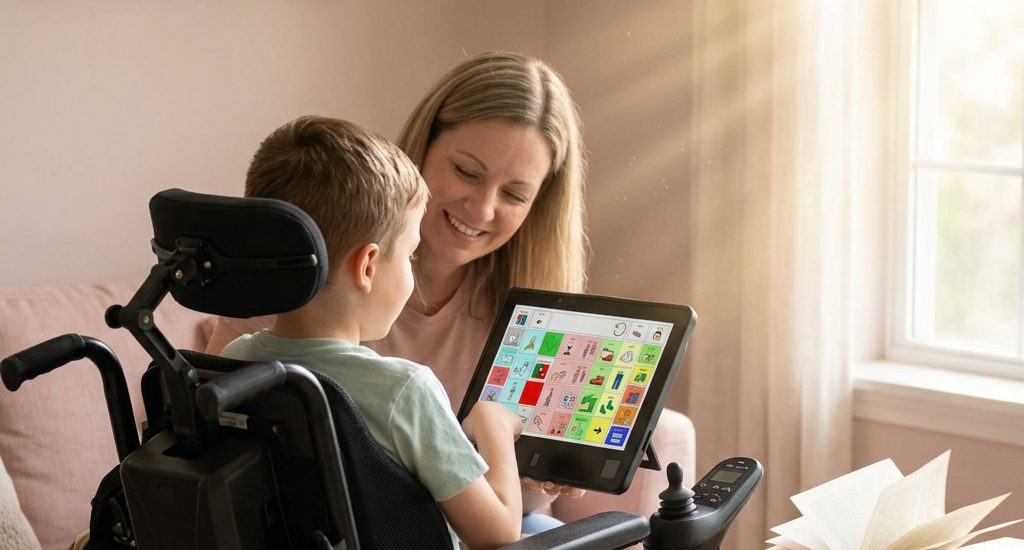
Building Core Vocabulary: The Words That Open Every Door
Research consistently shows that 80% of the words we use in everyday communication come from a pool of roughly 200 to 300 high-frequency words. These are called core vocabulary. They are not nouns like ‘apple’ or ‘dog’ — they are words like ‘want,’ ‘go,’ ‘more,’ ‘help,’ ‘stop,’ ‘again,’ ‘different,’ ‘I,’ ‘you,’ ‘like,’ ‘no.’ Mastering core…
-

How ‘Inside Out 2’ Sparked a Conversation About Communication Differences
Pixar’s Inside Out 2 did something rare for a blockbuster animated film: it put emotional communication — the messy, nonlinear, sometimes impossible task of saying what you actually feel — at the center of its story. For many families in the AAC community, that landed differently than it might for a general audience. It landed…