
Category: Modern AAC
-
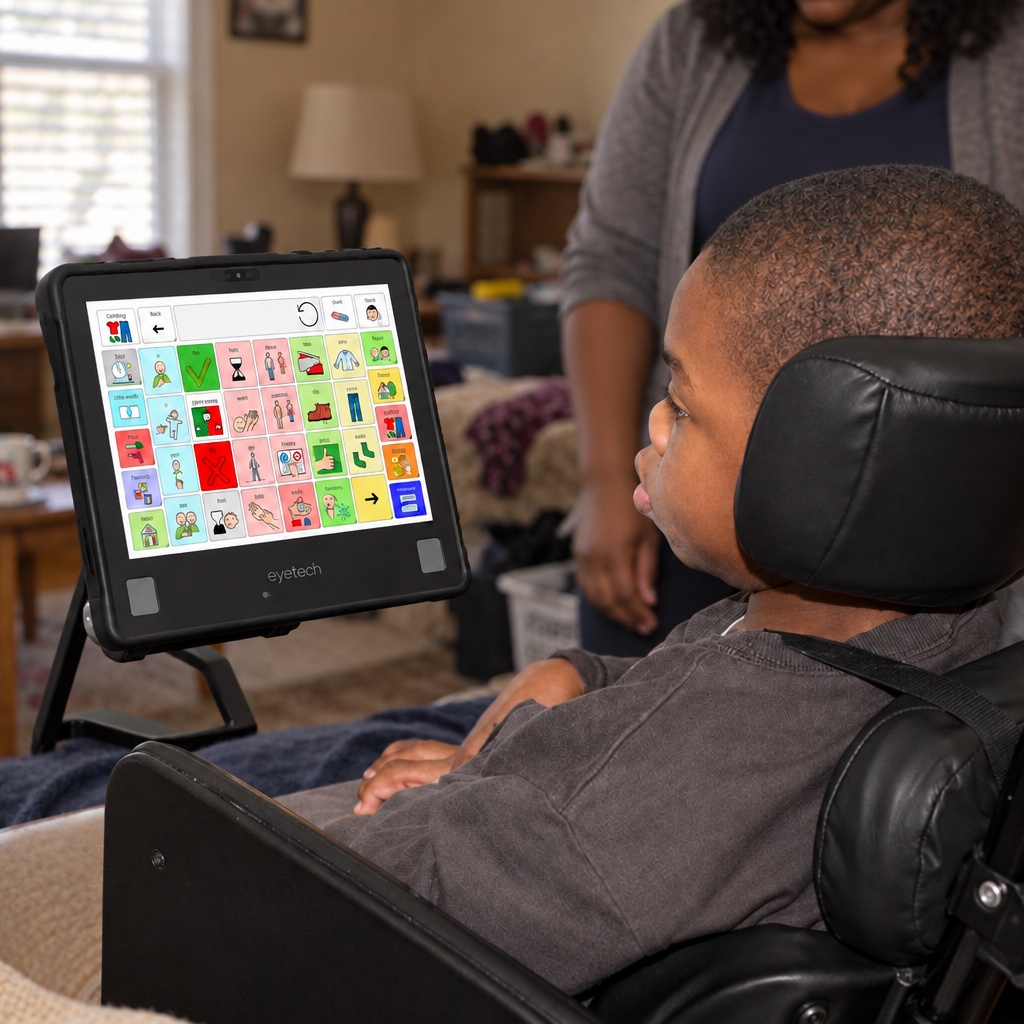
Brain-Computer Interfaces Are Making Headlines. What Does It Mean for AAC Users Today?
If you follow ALS or disability news, you’ve probably seen headlines about brain-computer interfaces, or BCIs — technology that reads signals from the brain and turns them into text, speech, or computer control. Two major studies this year have pushed the field forward, and many families are asking the same question: what does this mean…
-

Meet EyeOn Go: Communication That Keeps Up With Your Day
Communication doesn’t stop when you leave the house. It happens at the grocery store, in the car, at a grandparent’s kitchen table, and at the doctor’s office. That’s why we built EyeOn Go for Communication — a purpose-built AAC tablet designed to go wherever the day leads. Ready to Talk, Right Out of the Box…
-
Ten Years of Speechless: How J.J. DiMeo Changed the Way TV Talks About AAC
On September 21, 2016, ABC premiered a family sitcom that did something network television had almost never done: it built an entire show around a nonspeaking teenager — and made him the funniest, sharpest person in the room. Ten years later, Speechless still comes up in conversations with AAC families, speech-language pathologists, and educators. For…
-

Model It, Don’t Test It: A Beginner’s Guide to Aided Language Modeling
Children learn to speak by hearing thousands of hours of spoken language before they ever say a word. Nobody expects a toddler to talk after hearing a word once — and nobody quizzes a baby on vocabulary. AAC works the same way. If someone is learning to communicate with a device, they need to see…
-
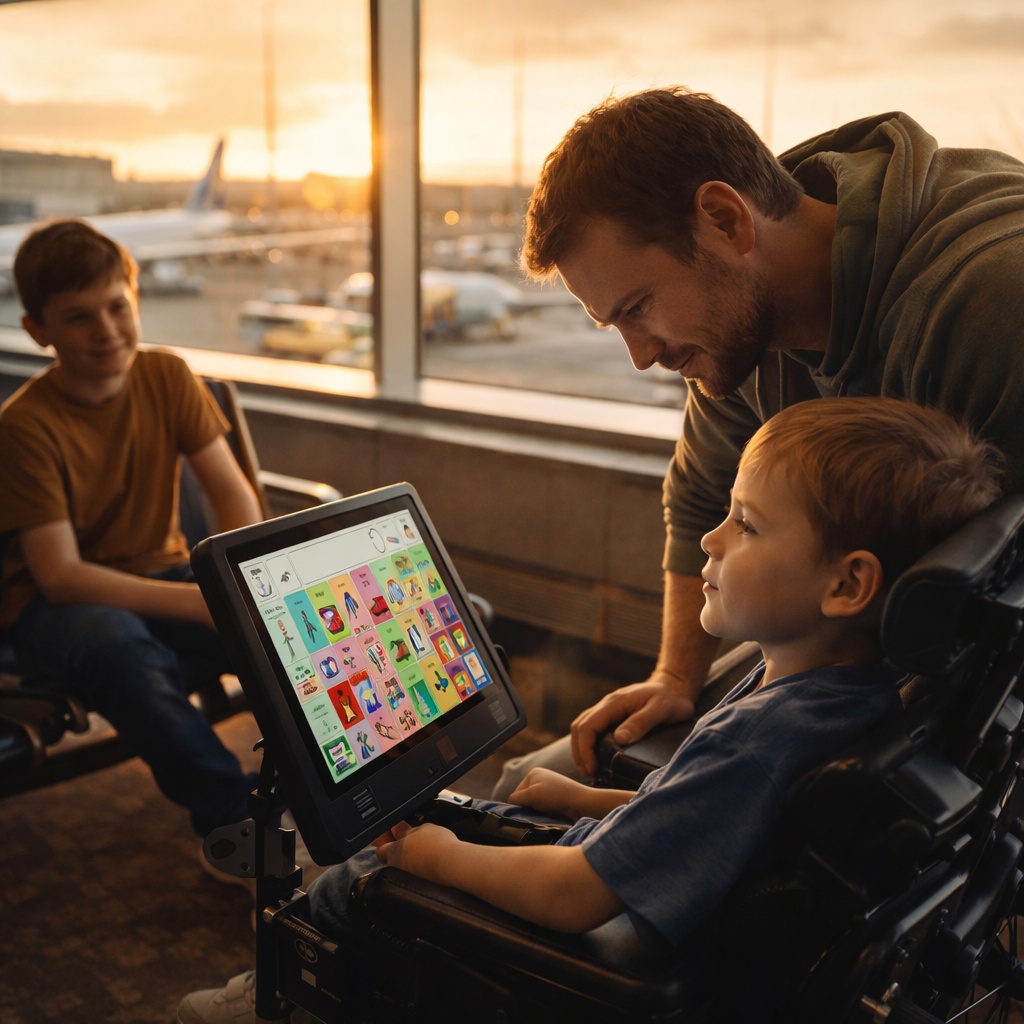
Traveling with an AAC Device: A Packing and Prep Checklist
Summer means road trips, flights, and time away from the routines that make daily communication predictable. Traveling with an AAC device takes a little more planning than tossing it in a bag, but with the right prep, it does not have to slow anyone down. Here is what to pack, confirm, and double-check before you…
-
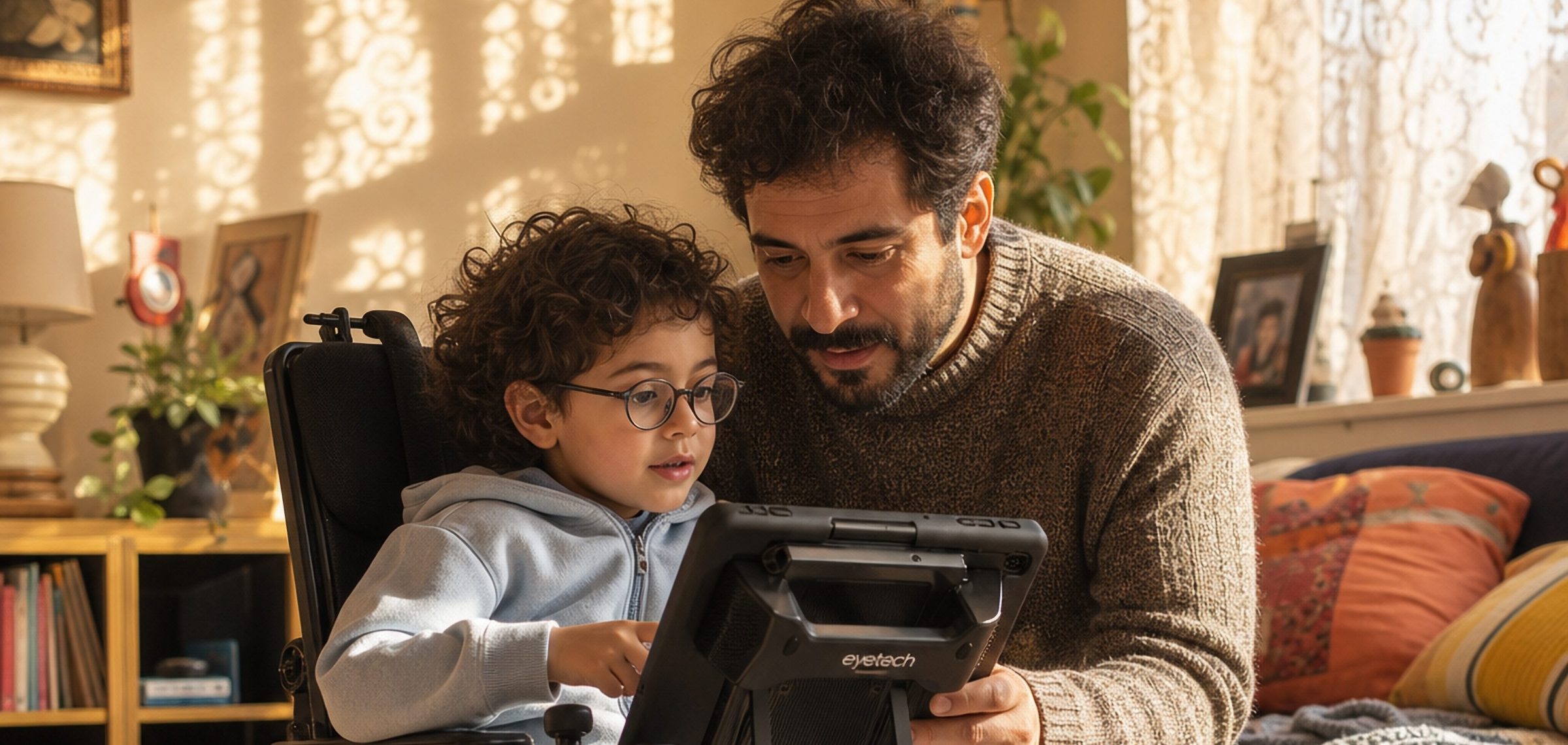
Eye Gaze Calibration: Troubleshooting the 7 Most Common Issues
Eye gaze is one of the most powerful access methods in AAC — but it is also one of the most sensitive to setup variables. Lighting, positioning, eye fatigue, glasses, and even the time of day can all affect accuracy. The good news: most calibration issues have clear causes and straightforward fixes. Here are the…
-
Insurance Coverage for AAC Devices: What Changed in 2025
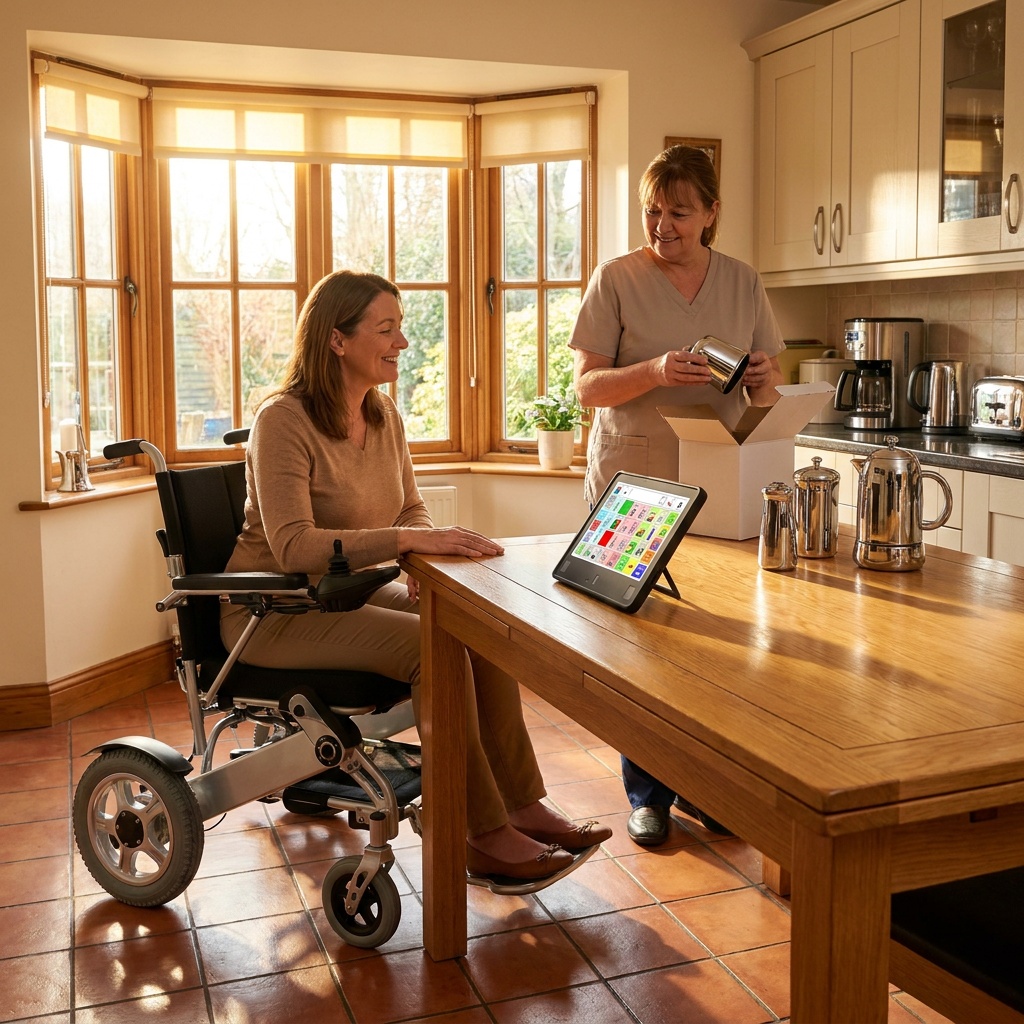
Getting an AAC device covered by insurance has historically been one of the most frustrating parts of the process. Complex documentation, inconsistent criteria, long wait times, and unexplained denials. In 2025, several developments have shifted the landscape — not enough to make the process easy, but enough to make success more likely if you know…
-

Independence Day and Real Independence: AAC Users on Living Life on Their Terms
Every Fourth of July, the word ‘independence’ gets a workout. Fireworks, flags, speeches about freedom. But for millions of people in the disability community — and for the families, caregivers, and clinicians who support them — independence is not an abstract ideal. It is a daily, concrete, hard-won practice. And for AAC users, it often…
-
AAC and ALS: A Communication Guide for Families
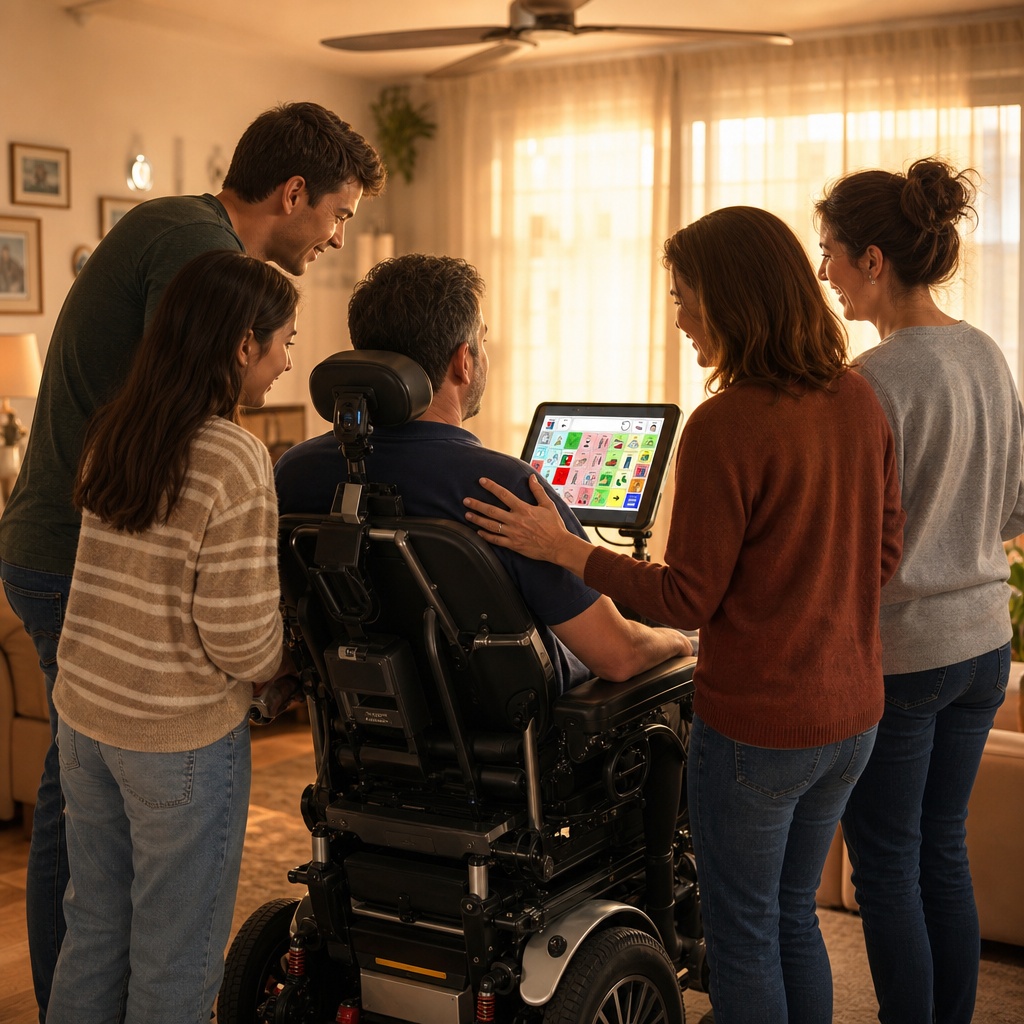
An ALS diagnosis changes everything — including how communication happens and who is responsible for facilitating it. The disease progresses differently for everyone, but speech is affected for most people with ALS at some point in their journey. The good news is that AAC technology has advanced dramatically, and eye gaze communication — which requires…
-
Building Core Vocabulary: The Words That Open Every Door
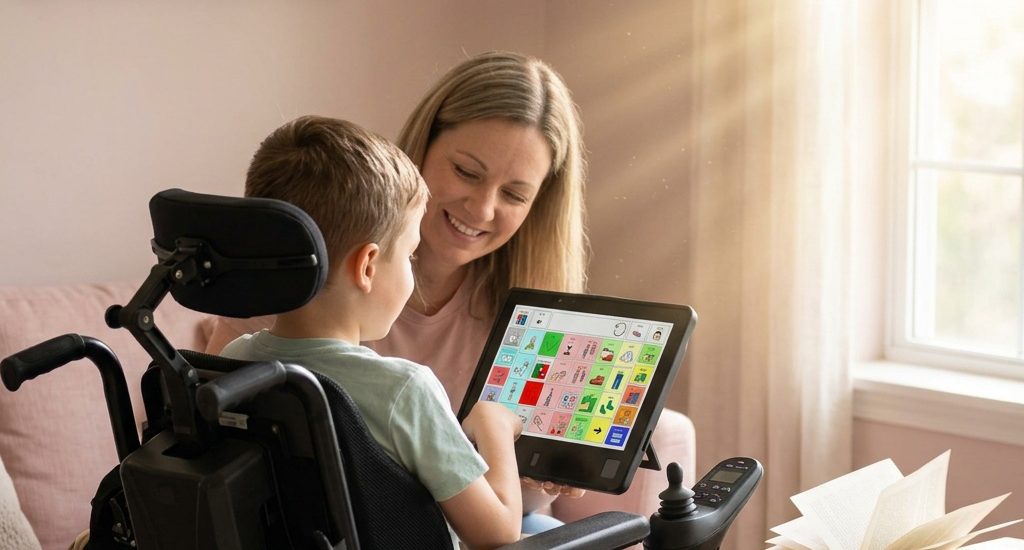
Research consistently shows that 80% of the words we use in everyday communication come from a pool of roughly 200 to 300 high-frequency words. These are called core vocabulary. They are not nouns like ‘apple’ or ‘dog’ — they are words like ‘want,’ ‘go,’ ‘more,’ ‘help,’ ‘stop,’ ‘again,’ ‘different,’ ‘I,’ ‘you,’ ‘like,’ ‘no.’ Mastering core…