
Category: AAC in Pop Culture
-

What Would Ed the Minion’s AAC Board Look Like?
If you’ve seen Minions & Monsters, you already know Ed. He’s chaotic, expressive, and communicates using American Sign Language while the rest of the Minions babble away in Minionese. It’s a small creative choice that carries a lot of weight. In a franchise watched by millions of kids and families around the world, seeing a…
-
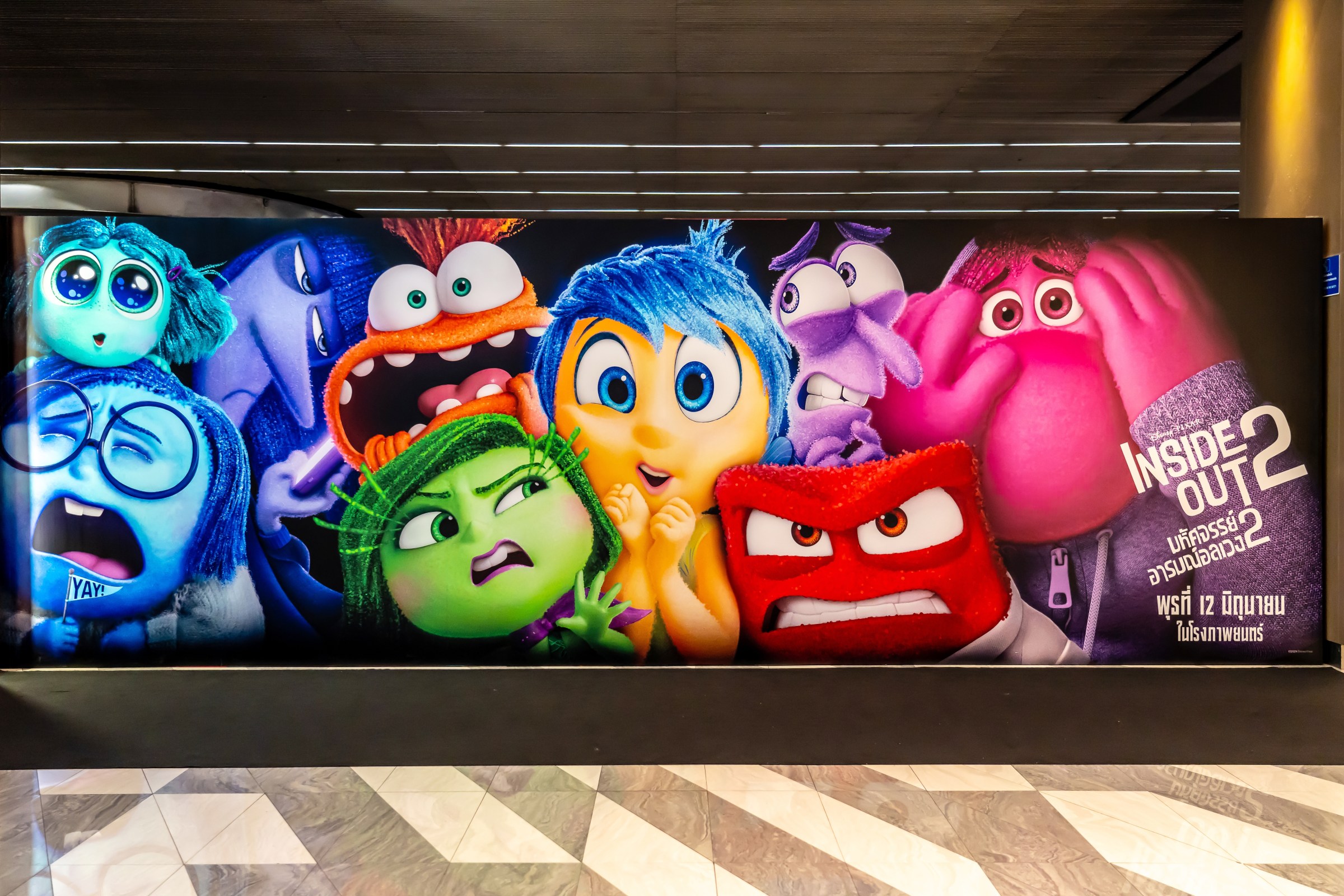
How ‘Inside Out 2’ Sparked a Conversation About Communication Differences
Pixar’s Inside Out 2 did something rare for a blockbuster animated film: it put emotional communication — the messy, nonlinear, sometimes impossible task of saying what you actually feel — at the center of its story. For many families in the AAC community, that landed differently than it might for a general audience. It landed…
-
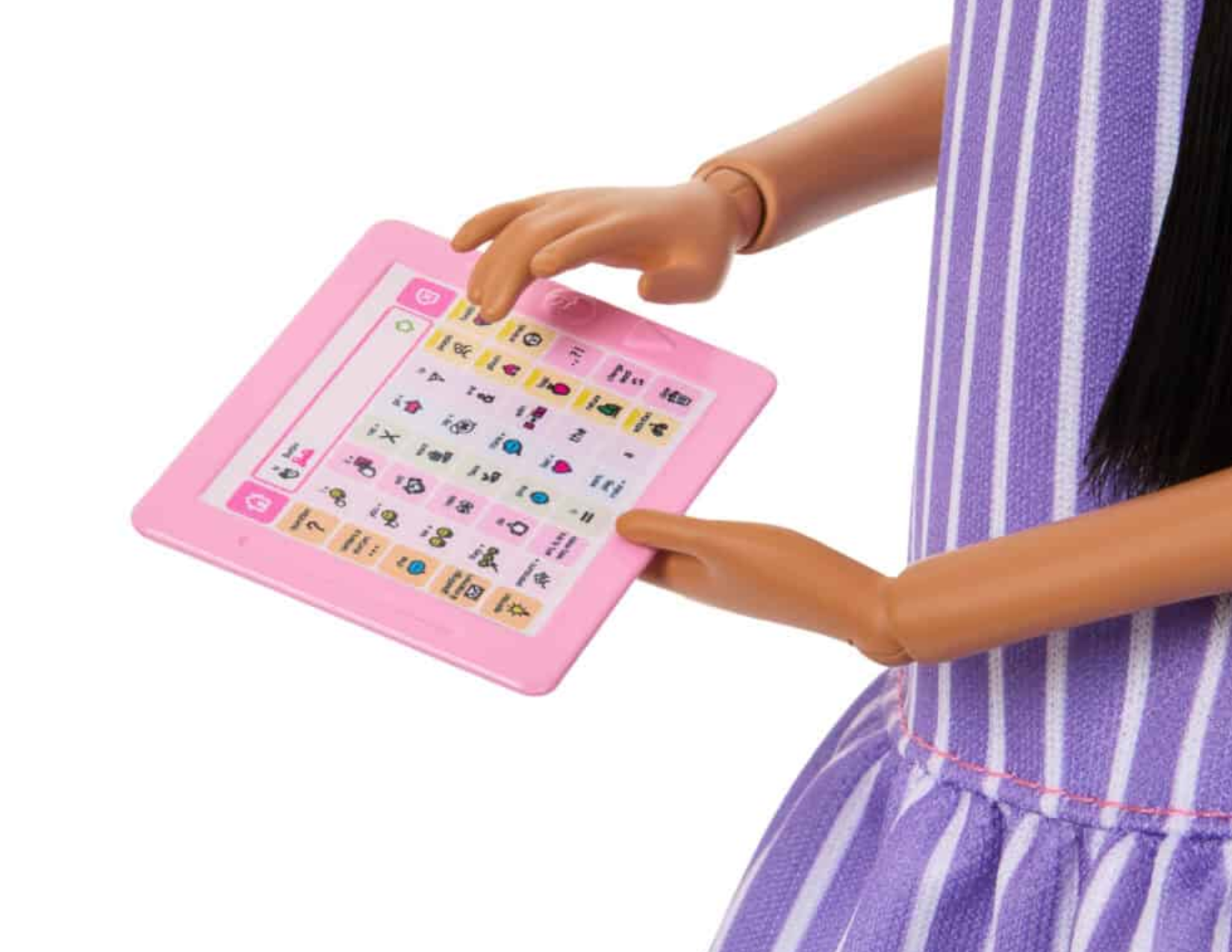
Why the New Autistic Barbie With an AAC Device Matters More Than You Think
When Mattel released its first Barbie with an AAC device, it wasn’t just a win for representation—it was a cultural shift. For decades, communication devices were invisible in mainstream toys, despite AAC being a daily reality for millions of children and adults worldwide. Including an AAC device on one of the most recognizable toys in…
-

AAC and Pop Culture: Why Visibility Drives Innovation
From AAC devices appearing in children’s toys to characters using communication technology in television, books, and digital media, pop culture is reshaping how augmentative and alternative communication (AAC) is perceived. What was once viewed as niche or clinical is increasingly becoming visible, normalized, and understood in mainstream society. And visibility changes everything. When AAC appears…