
Every transition — a new school year, a new classroom, a new therapist — creates a risk that AAC vocabulary and habits built in one setting will not carry over to the next. A little coordination goes a long way toward keeping communication consistent.
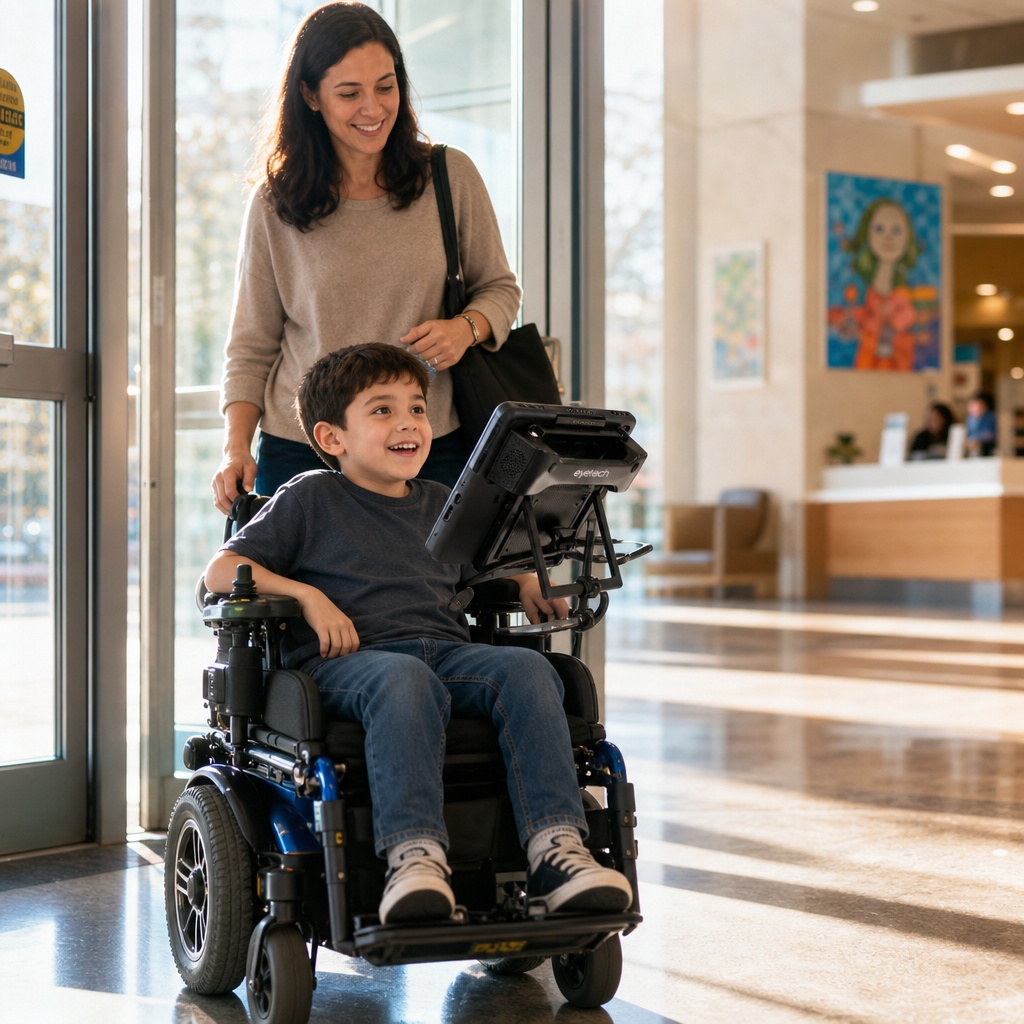
Why Transitions Are Hard on Communication Systems
A child who has built strong vocabulary habits at home may encounter a completely different page layout or vocabulary set at school, forcing them to relearn navigation at exactly the moment they are also adjusting to a new environment.
Building a Communication Passport
A simple one-page summary — current vocabulary, favorite topics, common phrases, and communication style — shared between home and school can dramatically shorten the adjustment period for new teachers, aides, or therapists.
Coordinating with the IEP Team
Ask that AAC goals and current vocabulary setup be explicitly documented and shared as part of IEP transition planning, not left to informal conversation between outgoing and incoming staff.
Keeping Vocabulary Consistent Across Settings
Where possible, mirror page layouts and core vocabulary between home and school devices. Consistency reduces the cognitive load of relearning navigation and lets the user focus energy on communicating, not searching.
A Quick Transition Checklist
- Share a communication passport with new staff
- Confirm vocabulary layout matches across settings
- Schedule a check-in with the SLP within the first two weeks
- Flag any new goals to home caregivers
Closing
Transitions are hard enough without communication starting from scratch. A little documentation and a shared plan between home and school can protect the progress your AAC user has already made.
Leave a Reply