
Even the most reliable device can run into a dead battery, a software hiccup, or a forgotten charger. A backup communication plan is not pessimism — it is good practice, the same way anyone keeps a spare key or a first aid kit.
Why Every AAC User Needs a Plan B
Communication cannot pause for a technical issue. A backup plan ensures a brief device outage never means a full communication outage, especially in moments — a doctor’s appointment, a fire drill, a long car ride — where communication matters most.
Low-Tech Options That Actually Work
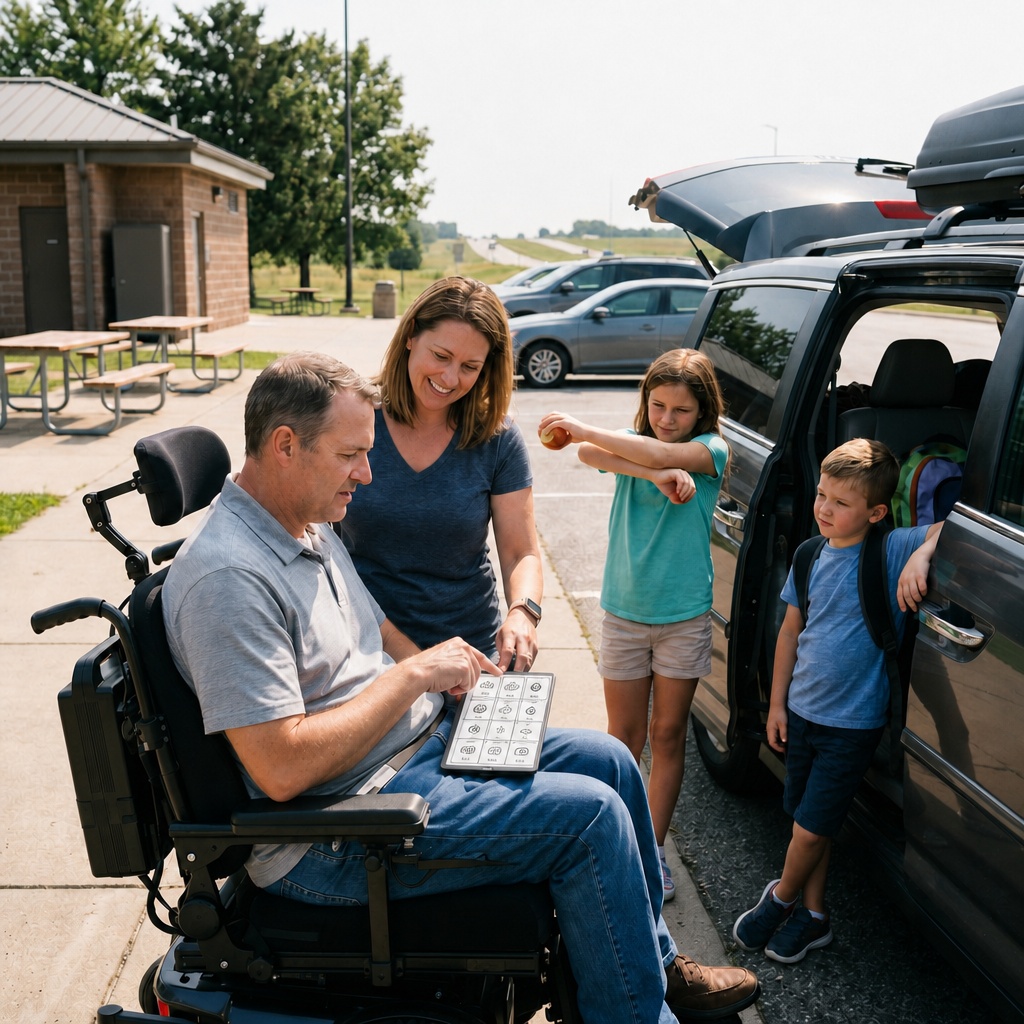
A laminated core vocabulary board, a simple picture exchange system, or even a small notebook with key phrases can serve as an effective bridge during a device outage. The goal is not sophistication — it is availability.
Building a Simple Core Board
A backup board does not need to replicate the full device vocabulary. Twenty to thirty of the most frequently used words, organized the same way as the primary device, is usually enough to bridge a short gap.
Teaching the Backup Alongside the Primary Device
Introduce the backup system early and use it occasionally during normal, low-stress moments, rather than waiting until an emergency to explain a new tool for the first time.
What to Do in the Moment
If the primary device fails unexpectedly, stay calm, switch to the backup system, and troubleshoot the device separately once communication needs are covered. Panic rarely speeds up a fix, and it often adds pressure the AAC user can sense.
Closing
A backup plan is not a sign a device is unreliable — it is a sign that communication is too important to leave to chance. If you would like help designing a backup vocabulary board that mirrors your EyeOn layout, our team can help put one together.
Leave a Reply